Table of Contents
How to Properly Maintain and Service Mechanical Traverse Units
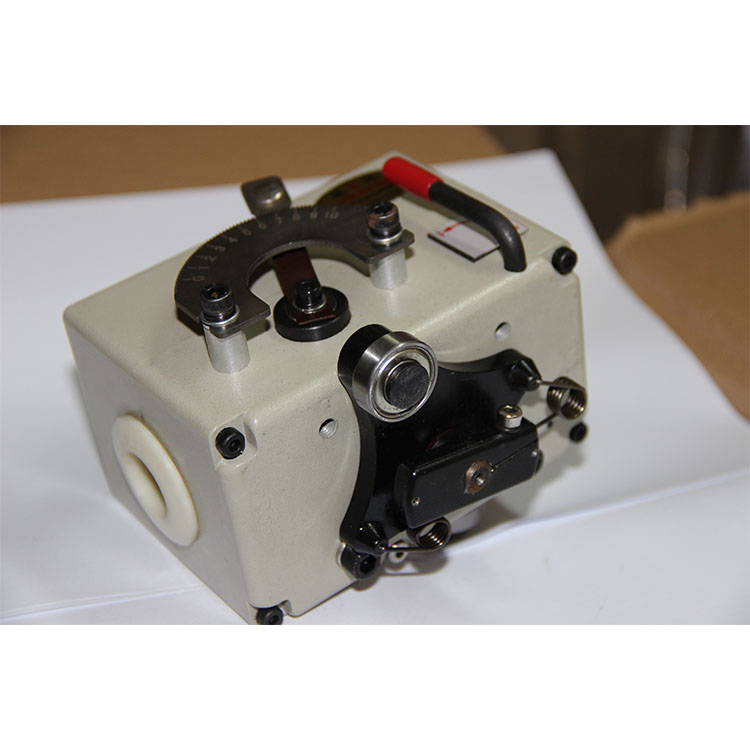
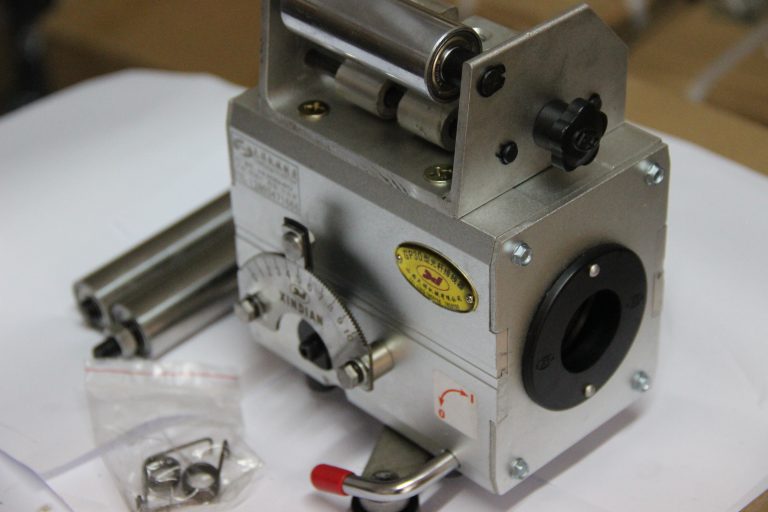
Mechanical Smooth Shaft Unit is essential components in various industrial applications, providing precise and controlled movement of materials along a specified path. These units are commonly used in conveyor systems, material handling equipment, and automated machinery to ensure efficient and reliable operation. To maintain optimal performance and extend the lifespan of mechanical traverse units, regular maintenance and servicing are crucial.
One of the key aspects of maintaining mechanical traverse units is ensuring proper lubrication. Lubrication helps reduce friction between moving parts, preventing wear and tear that can lead to premature failure. It is important to use the correct type of lubricant recommended by the manufacturer and to apply it at regular intervals as specified in the maintenance schedule. Over-lubrication can be just as detrimental as under-lubrication, so it is essential to follow the guidelines provided.
In addition to lubrication, regular inspection of mechanical traverse units is necessary to identify any signs of wear or damage. This includes checking for loose or worn components, misalignment, and abnormal noise during operation. Any issues should be addressed promptly to prevent further damage and ensure the continued reliability of the unit. It is also important to clean the unit regularly to remove dirt, debris, and other contaminants that can affect its performance.
Another important aspect of maintaining mechanical smooth shaft unit is ensuring proper tensioning of belts or chains, if applicable. Belts and chains that are too loose or too tight can cause excessive wear and premature failure. It is important to follow the manufacturer’s guidelines for tensioning and to adjust as needed to maintain proper alignment and tension.
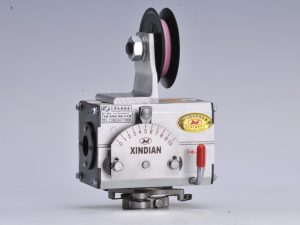
Regular calibration of mechanical traverse units is also essential to ensure accurate and consistent movement. Calibration involves adjusting the unit to ensure that it moves along the specified path at the correct speed and with the desired precision. This helps prevent errors and inaccuracies in the movement of materials, which can impact the overall efficiency of the system.
In addition to regular maintenance, it is important to schedule periodic servicing of mechanical traverse units by qualified technicians. Servicing may involve more in-depth inspections, adjustments, and repairs that are beyond the scope of regular maintenance. This can help identify and address any underlying issues that may be affecting the performance of the unit and prevent more serious problems from developing.
Overall, proper maintenance and servicing of mechanical traverse units are essential to ensure their continued reliability and longevity. By following the manufacturer’s guidelines for lubrication, inspection, tensioning, calibration, and servicing, you can help prevent premature failure and costly downtime. Regular maintenance not only extends the lifespan of the unit but also ensures optimal performance and efficiency in your industrial operations. Remember, a well-maintained mechanical traverse unit is a key component in a smooth-running and productive system.
The Future of Mechanical Traverse Units in Automation and Robotics Industry
Mechanical traverse units have long been a staple in the automation and robotics industry, providing precise and reliable movement for a wide range of applications. These units are essential for tasks that require controlled linear motion, such as material handling, assembly, and inspection. As technology continues to advance, the future of mechanical traverse units looks promising, with new innovations and improvements on the horizon.
One of the key trends in the automation and robotics industry is the increasing demand for faster and more efficient systems. Mechanical traverse units are no exception, with manufacturers constantly striving to improve speed and accuracy. Advances in materials and design have led to lighter and more compact units that can move at higher speeds without sacrificing precision. This is crucial for industries that require quick and precise movements, such as automotive manufacturing and electronics assembly.

Another important trend in the industry is the integration of smart technology into mechanical traverse units. With the rise of the Internet of Things (IoT) and Industry 4.0, manufacturers are looking for ways to make their systems more interconnected and intelligent. Smart traverse units can communicate with other machines and systems, allowing for seamless integration and coordination. This can lead to increased efficiency, reduced downtime, and improved overall performance.
In addition to speed and intelligence, reliability is also a key factor in the future of Smooth Shaft Traverse Unit. Manufacturers are constantly working to improve the durability and longevity of these units, ensuring that they can withstand the rigors of continuous use in demanding environments. Advances in materials and coatings have made traverse units more resistant to wear and corrosion, prolonging their lifespan and reducing maintenance costs.
As automation and robotics continue to evolve, the demand for versatile and adaptable systems is also on the rise. Mechanical traverse units are being designed with flexibility in mind, allowing them to be easily integrated into a wide range of applications. Whether it’s a simple pick-and-place operation or a complex multi-axis system, traverse units can be customized to meet the specific needs of each application. This versatility makes them an ideal choice for industries that require a high degree of flexibility and adaptability.
In conclusion, the future of mechanical traverse units in the automation and robotics industry looks bright. With advancements in speed, intelligence, reliability, and versatility, these units are poised to play a crucial role in the continued growth and success of the industry. As technology continues to advance, we can expect to see even more innovations and improvements in mechanical traverse units, making them an indispensable tool for a wide range of applications. Whether it’s in manufacturing, logistics, or any other industry that requires precise linear motion, mechanical traverse units will continue to be a key component of automation and robotics systems.
Advantages of Using Mechanical Traverse Units in Industrial Applications
Mechanical traverse units are essential components in various industrial applications, providing a reliable and efficient means of moving materials or products along a specified path. These units are designed to handle heavy loads and withstand the rigors of industrial environments, making them a popular choice for manufacturers looking to streamline their production processes.
One of the key advantages of using mechanical Rolling ring drive is their versatility. These units can be customized to meet the specific needs of a particular application, whether it involves moving materials horizontally, vertically, or on an incline. This flexibility allows manufacturers to optimize their production lines and maximize efficiency, ultimately leading to cost savings and increased productivity.
In addition to their versatility, mechanical traverse units are also known for their durability and reliability. These units are built to last, with robust construction and high-quality components that can withstand the demands of continuous use in industrial settings. This reliability is crucial for manufacturers who rely on their equipment to keep their operations running smoothly and efficiently.

Another advantage of using mechanical traverse units is their precision. These units are designed to move materials with accuracy and consistency, ensuring that products are transported along the specified path without deviation. This precision is essential for maintaining quality control and ensuring that products meet the required specifications.
Furthermore, mechanical traverse units are easy to operate and maintain, making them a practical choice for manufacturers looking to minimize downtime and reduce maintenance costs. These units can be easily integrated into existing production lines and require minimal training for operators to use effectively. Additionally, routine maintenance tasks are straightforward and can be performed quickly to keep the units operating at peak performance.
Overall, the advantages of using mechanical traverse units in industrial applications are clear. From their versatility and durability to their precision and ease of operation, these units offer a range of benefits that can help manufacturers improve their production processes and achieve greater efficiency. By investing in mechanical traverse units, manufacturers can streamline their operations, reduce costs, and increase productivity, ultimately leading to a more competitive and successful business.