
Table of Contents
Overview of Transformer Manufacturing
Transformer manufacturing is a precision-driven industry that requires advanced technology and skilled labor. Among the vital components in this process is the winding of copper or aluminum wire around a core, which is crucial for the efficiency and performance of transformers. The quality and precision of the winding process significantly influence the overall effectiveness of the transformer, making it imperative to utilize advanced machinery.
The advent of high-grade factory settings has revolutionized transformer manufacturing. These factories are equipped with state-of-the-art machinery, such as the Precision Layer Winding Machine, which automates the winding process. This innovation not only enhances production speed but also ensures uniformity and precision in winding layers, which is essential for minimizing energy loss and optimizing transformer performance.
Features of Precision Layer Winding Machines
Precision Layer Winding Machines are designed to meet the rigorous demands of transformer manufacturing. These machines offer features like automatic layer counting, tension control, and customizable winding patterns, allowing manufacturers to tailor their processes to specific transformer designs. This level of customization enhances the versatility of the machines and accommodates various core sizes and configurations.
Importance of High-Grade Factory Settings
High-grade factory environments play a pivotal role in transformer manufacturing. These facilities are designed to support the intricate operations involved in winding, from temperature regulation to dust control. A clean and controlled environment minimizes the risk of contamination and defects during the winding process, ultimately improving the reliability of the final product.
Similar Posts

Traverse Rolling Ring Drive Part Linear Guide Roller
Basic Info. Model NO.:GP20 GP30 GP40 GP50 GP60 Type:Transmission Material:Aluminium Alloy Application: Rolling Ring Drive/ Traverse Unit Device Is Mostly Used…

Smooth Shaft Traverse Unit
Advantages of Using Smooth Shaft Traverse Unit in Industrial Applications Smooth Shaft Traverse Units are an essential component in various…

Flat Wire Winding Machine Manufaturer
Maintenance Tips for Ensuring Longevity of flat WIRE WINDING MACHINE Flat wire winding machines are essential tools in the manufacturing…
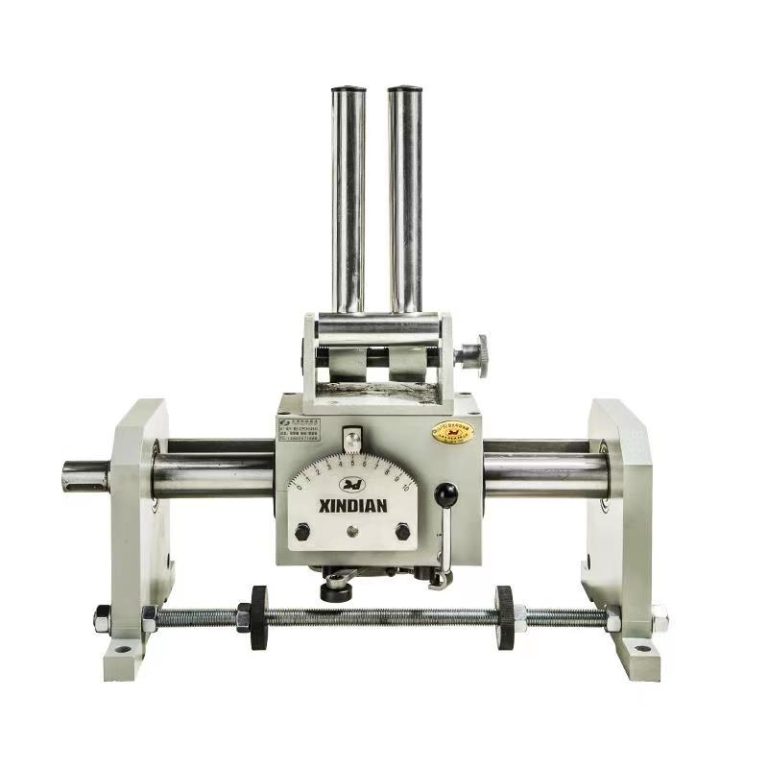
Wire Retainer Traverse Unit best manufacturer
Understanding Wire Retainer Traverse Units Wire retainer traverse units are essential components in various manufacturing processes, particularly in the metal…
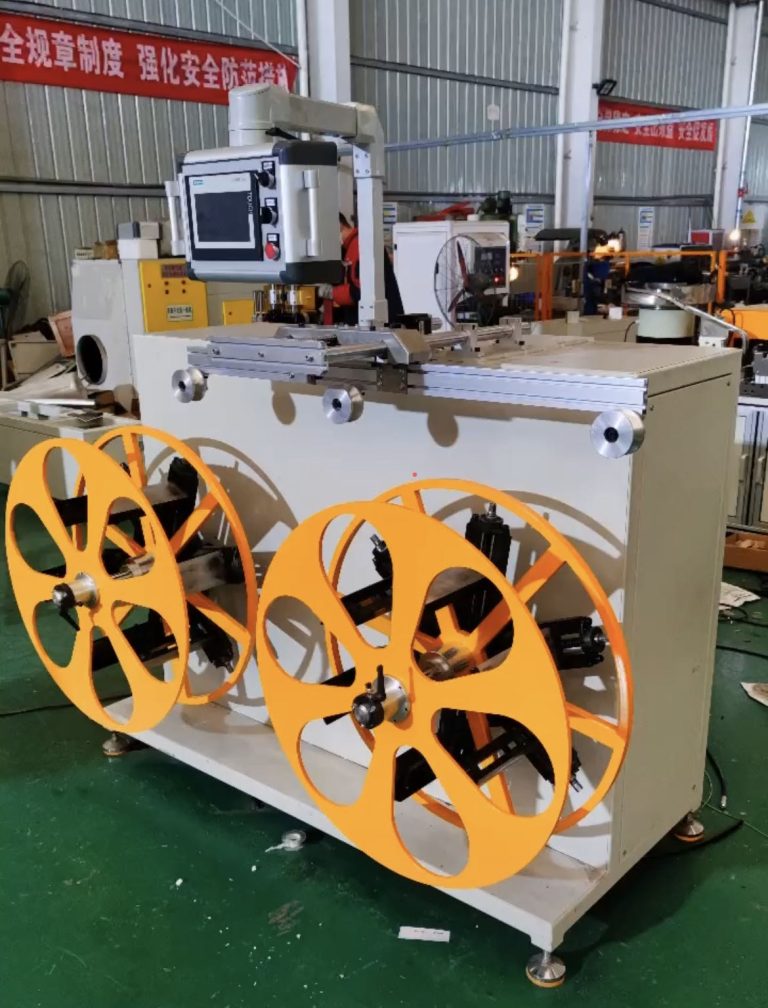
Double Reels Precision Wire Layer Winding Machine
Tips for Maximizing Efficiency with Double Reels precision wire Layer Winding Machine In the world of wire layer winding machines,…
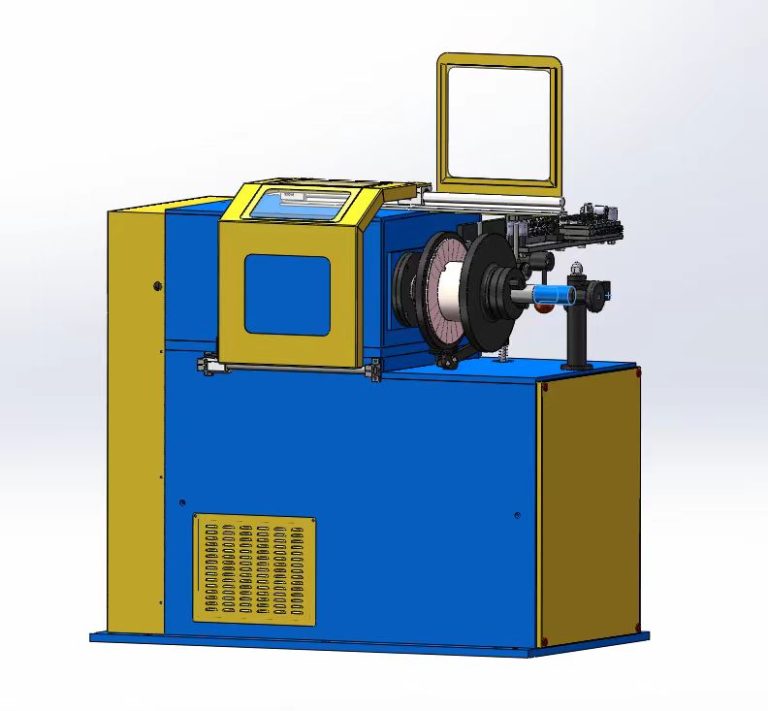
Flat Wire Layer Winding Machine best manufacturer
Comparison of Top Flat Wire Layer Winding Machine Manufacturers When it comes to choosing a flat wire layer winding machine,…